Views: 0 Author: Site Editor Publish Time: 2026-03-24 Origin: Site
In the ever-evolving world of professional video production, choosing the right interface is crucial. With the increasing demand for high-quality broadcasts, the decision between SDI vs. HDMI has never been more important. In this article, we’ll explore the key differences between SDI and HDMI, helping you make the best choice for your video production setup in 2026.
Serial Digital Interface (SDI) is a professional-grade digital video standard widely adopted in broadcast television and live production environments. It is specifically designed to ensure high-quality video signal transmission over long distances without signal degradation. SDI's use of coaxial cables, particularly with BNC (Bayonet Neill-Concelman) connectors, allows for a secure, twist-lock connection that minimizes the risk of accidental disconnections. This is crucial in live broadcasts where even a brief loss of signal can disrupt the entire production.
SDI is widely utilized in settings where reliable, uncompressed video is a necessity, such as in TV studios, outdoor broadcasts, and large-scale live events. The interface supports a range of standards like HD-SDI, 3G-SDI, and 12G-SDI, each offering higher resolutions and data transfer rates to meet the demands of modern video production.
● Key Features of SDI:
○ BNC Connectors: These connectors lock in place, providing a secure and stable connection for long-duration broadcasts.
○ Long-Distance Transmission: SDI can transmit uncompressed signals over distances of up to 300 feet for standard SD-SDI, and up to 100 meters for HD-SDI, making it ideal for large venue setups.
○ Unidirectional Signal Flow: Unlike HDMI, SDI carries a one-way signal, which is typically preferred for broadcast systems requiring a stable signal path.
High-Definition Multimedia Interface (HDMI) is the go-to standard for consumer electronics, found in everything from televisions to gaming consoles, laptops, and cameras. Originally designed to simplify the connection of high-definition video and audio, HDMI’s versatility and ease of use make it the preferred choice for non-professional environments. One of its standout features is the plug-and-play functionality, where users can connect devices without the need for additional drivers or complex setups.
HDMI is designed for short-distance transmissions, typically within a single room or space, and supports both audio and video over a single cable. Over the years, it has evolved to support high-definition video resolutions, including 4K and even 8K with HDMI 2.1, making it suitable for home theaters, gaming, and small production setups.
● Key Features of HDMI:
○ Plug-and-Play Convenience: HDMI allows devices to automatically detect and configure themselves for optimal performance.
○ Bidirectional Signal Flow: HDMI can transmit both audio and video signals, and it supports communication between connected devices, enabling features like automatic resolution detection and EDID (Extended Display Identification Data).
○ Wide Compatibility: HDMI is ubiquitous in consumer devices, making it the easiest and most cost-effective solution for casual users and small studios.
While SDI and HDMI both serve the same fundamental purpose—transmitting video and audio signals—their technical characteristics differ significantly, making each suited for different environments.
● Data Transmission: SDI supports uncompressed video, ensuring high-quality transmission without the risk of signal degradation, even over long distances. In contrast, HDMI, although capable of high-resolution video, is limited by its shorter transmission range. Over distances longer than 50 feet, HDMI signals may degrade, and signal extenders or repeaters are required.
● Resolution Support: Both SDI and HDMI support high-definition video, but their capabilities diverge. HDMI 2.1, the latest iteration, supports resolutions up to 8K, making it a powerful choice for consumer-grade displays. SDI also supports 8K (via 24G-SDI), but it excels in broadcast environments where 4K and 8K signals must remain stable over long distances without loss.
● Reliability and Stability: One of SDI's major advantages is its stability. The locking BNC connectors ensure that the signal remains uninterrupted, even in high-traffic environments. HDMI, on the other hand, relies on friction-fit connectors, making it more prone to accidental disconnections, especially in live event settings where physical interaction with cables is common.
Feature | SDI | HDMI |
Connection Type | BNC twist-lock connectors | Friction-fit connectors |
Distance Support | Up to 100 meters for HD-SDI (longer for SD) | Typically up to 50 feet |
Signal Flow | Unidirectional | Bidirectional |
Resolution Support | Up to 8K (with 24G-SDI) | Up to 8K (HDMI 2.1) |
Ideal Use | Professional broadcast, live events | Consumer electronics, home setups |
Stability | Very stable with secure connections | Less stable, prone to accidental disconnections |
In professional environments where signal integrity and long-distance transmission are critical, SDI is often the preferred choice. HDMI is typically more suitable for casual or consumer-level applications, where ease of use and flexibility are more important than long-distance reliability.
When considering long-distance transmission, SDI stands out as the superior option. Unlike HDMI, which is typically limited to about 25 to 50 feet for reliable signal transmission, SDI is designed for longer cable runs. For example, SDI can transmit a high-quality signal over 100 meters (approximately 300 feet) without significant degradation. This makes it ideal for large-scale environments such as stadiums, concert halls, and broadcast studios, where equipment may be spread out over considerable distances.
In contrast, HDMI’s signal quality drops significantly after a short distance. To achieve longer HDMI runs, additional equipment like signal boosters or repeaters is required, which can add to both cost and complexity. For example, without using active extenders, HDMI signals experience attenuation even at 50 feet for 1080p content and even sooner for 4K signals.
For workflows requiring long-distance signal transfer, SDI is the optimal choice due to its ability to maintain uncompressed signal integrity without needing additional infrastructure. HDMI, however, is better suited for shorter, controlled environments where cable length is minimal and the setup is fixed.
Reliability is paramount in live production environments where any disconnection can result in costly delays or signal loss. This is where SDI truly excels. The BNC connectors used in SDI systems feature a twist-lock mechanism, which ensures a secure, stable connection even in high-traffic or physically demanding environments. This makes SDI a trusted choice for live broadcasts, sports events, and concerts, where cables are exposed to potential accidental pulls or disconnections.
On the other hand, HDMI connectors rely on a friction-fit design, which means they are vulnerable to being unintentionally unplugged. In environments with frequent movement, such as on-stage performances or live events with high foot traffic, HDMI’s lack of a locking mechanism increases the risk of disruption.
While HDMI may be fine for smaller setups where the equipment remains stationary, for large productions with moving cameras, multiple sources, and high-stakes broadcasts, the secure, locking BNC connectors of SDI provide unmatched peace of mind.
Another critical factor in choosing between SDI and HDMI for professional video production is their ability to handle audio and metadata. SDI supports the embedding of up to 16 channels of uncompressed audio, which can be transmitted alongside video without requiring separate cables. This feature is especially beneficial for large-scale productions, where multiple audio feeds are required for live mixing, remote communication, and monitoring.
In addition to audio, SDI also supports timecode, CCU (Camera Control Unit) signals, and other forms of essential metadata within the same signal. This feature streamlines workflows in multi-camera setups, where precise synchronization is crucial. These capabilities make SDI the preferred choice for high-end productions like television broadcasts, film production, and live event streaming.
HDMI, by contrast, has limitations when it comes to audio handling. While it can transmit up to 8 audio channels, it does not natively support the wide array of metadata that SDI does. HDMI is primarily designed for consumer-level audio and video, making it less suitable for complex, professional environments where precise audio synchronization and metadata embedding are essential.
Feature | SDI | HDMI |
Audio Support | Up to 16 channels of uncompressed audio | Up to 8 audio channels |
Signal Flow | Unidirectional, stable | Bidirectional, flexible |
Metadata Support | Timecode, CCU control, tally signals | No standardized support for metadata |
Connector Type | BNC twist-lock connectors | Friction-fit connectors |
Distance Capability | Up to 100 meters (3G-SDI) | Limited to 50 feet (without boosters) |
In the world of professional broadcasting and live event production, SDI is the undisputed choice for reliable video transmission. ORIVISION's HC01 HDMI to SDI converter plays a crucial role in solving the challenge of connecting consumer-grade HDMI devices to professional broadcast equipment. By converting HDMI signals into stable, high-quality SDI signals, the HC01 ensures seamless integration in multi-camera setups and long-distance transmission scenarios, such as in sports events, concerts, and large-scale live broadcasts.
When working in environments where stability is key, such as broadcasting live sports or concerts, SDI's ability to maintain an uncompressed signal over long distances becomes indispensable. The locking BNC connectors of SDI ensure that cables stay securely connected, even in high-traffic areas, preventing accidental disconnections that could disrupt the broadcast. This level of reliability is essential in live environments where every second counts, and technical failures are unacceptable.
For these high-demand scenarios, SDI’s robustness and versatility make it the preferred choice. Its ability to handle long-distance signal transmission without loss of quality ensures that production teams can focus on delivering high-quality content rather than worrying about potential signal interruptions.
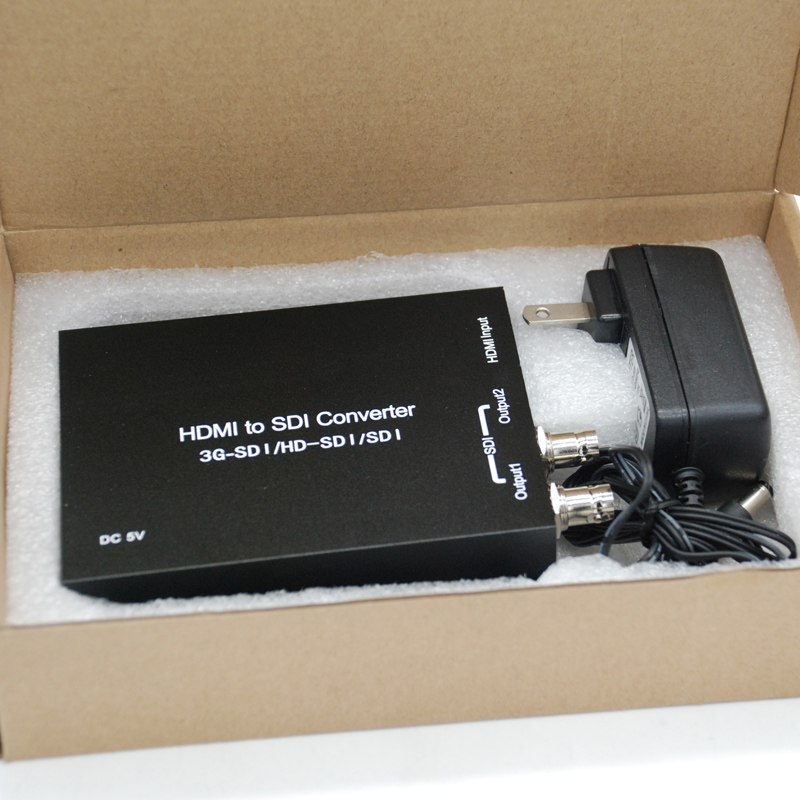
SDI is particularly well-suited for high-demand, multi-camera production setups, which are common in both studio and on-site production environments. Whether broadcasting a live event or recording a TV show, the ability to transmit uncompressed video with zero signal degradation is a major advantage. SDI is built to handle complex workflows where multiple video sources need to be synchronized and integrated into a central switcher or recorder.
In these production environments, ORIVISION’s HC01 and SC01 converters provide seamless SDI-to-HDMI or HDMI-to-SDI signal conversion, ensuring compatibility between various pieces of equipment. These products enable the smooth integration of different devices, from consumer cameras to professional broadcast switchers. By using SDI in these setups, production teams can rely on stable and consistent video signals that support the high quality required for broadcast-grade content.
Professional switchers and other broadcast equipment are designed to work with SDI signals, which further emphasizes SDI’s role in ensuring the smooth flow of video from cameras to editing stations. The BNC connectors and long-distance capabilities of SDI also make it the ideal choice for setting up remote broadcast units or mobile production units, where equipment is spread out over large areas.
Feature | SDI | HDMI |
Connector Type | BNC twist-lock connectors | Friction-fit connectors |
Distance Capability | Up to 100 meters for 3G-SDI | Typically up to 50 feet |
Ideal Use | Professional broadcasts, multi-camera setups | Home entertainment, short-distance use |
Signal Quality | Uncompressed, stable | Can degrade with distance |
SDI’s unmatched ability to handle complex, multi-camera setups and long-distance transmissions without compromising quality makes it an essential component in the workflows of professional video production, from live events to studio productions.
HDMI has become a staple in small studio setups and home streaming environments, primarily due to its convenience and cost-effectiveness. For creators working with tight budgets, HDMI offers a reliable, easy-to-use solution for transmitting high-quality video and audio without the need for extensive, expensive equipment. In home studios, HDMI can efficiently handle video from cameras, laptops, and even gaming consoles, making it ideal for personal projects and content creation.
One of HDMI's greatest strengths in small setups is its plug-and-play nature. With no need for complex configurations or external power sources, HDMI allows creators to focus on producing content rather than troubleshooting connections. Additionally, HDMI cables are generally affordable and widely available, making it accessible for hobbyists and new creators. Whether you're setting up a simple live stream or recording a DIY tutorial, HDMI allows for seamless integration of various consumer devices, making it an invaluable tool for creators with limited resources.
For budget-conscious projects, HDMI's versatility is unmatched. With HDMI, creators can easily connect a variety of consumer electronics—such as cameras, gaming consoles, and computers—to displays or streaming equipment. It's an excellent choice for those who need a straightforward, reliable solution without the added costs of more complex broadcast-grade equipment.
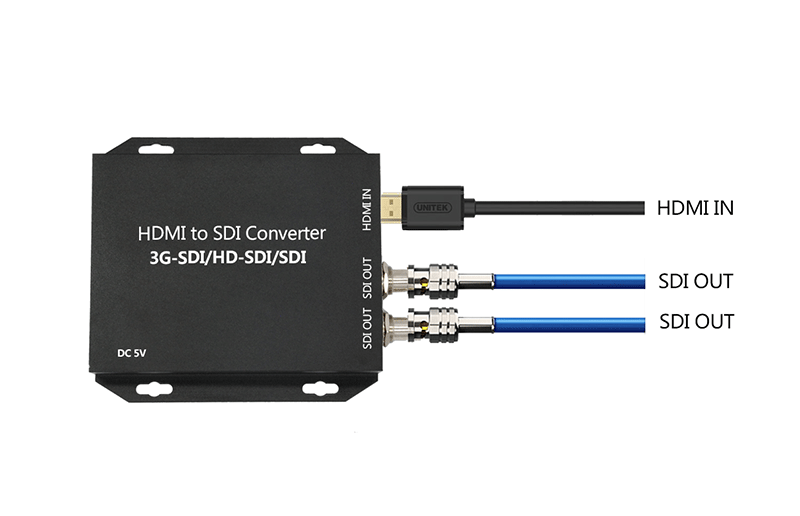
HDMI's widespread use in consumer electronics makes it an essential interface for integrating various devices in both home and professional settings. It’s commonly found in televisions, projectors, gaming consoles, and computers, allowing for effortless connection and compatibility between devices. This makes HDMI a go-to option for connecting various types of equipment in video production or home entertainment systems.
In remote monitoring and small conference settings, HDMI provides an excellent solution for delivering video feeds to monitors or projectors. For example, in meetings or presentations, HDMI enables quick connections between laptops and projectors, providing a high-quality visual output with minimal setup. Similarly, in post-production environments, HDMI offers an efficient way to preview content on larger monitors, ensuring that creators and editors can view their work in high resolution.
Another significant advantage of HDMI is its ability to carry both video and audio over a single cable, reducing cable clutter and simplifying the overall setup. This is particularly beneficial for home studios or smaller workspaces where organization and efficiency are key.
Feature | HDMI | SDI |
Primary Use | Home studios, gaming, personal streaming | Professional video production |
Ease of Use | Plug-and-play, no extra configuration | Requires professional equipment setup |
Distance | Best for short runs (up to 50 feet) | Long-distance (up to 100 meters) |
Cost | Affordable and widely available | Higher cost due to professional gear |
Audio/Video Transmission | Both through a single cable | Typically requires separate cables for audio and video |
Choosing between SDI vs. HDMI is essential for ensuring high-quality video production in 2026. SDI is ideal for professional, long-distance broadcasts, while HDMI suits smaller setups with shorter distances. Based on production needs, budget, and environment, making the right decision will optimize your workflow. ORIVISION Electronics Co., Ltd. provides reliable solutions like the HC01 and SC01 converters, ensuring seamless integration of SDI and HDMI systems for a wide range of production scenarios.
A: The main difference between SDI vs. HDMI lies in their usage; SDI supports long-distance, uncompressed video transmission with secure connections, while HDMI is better for shorter distances and consumer-grade setups.
A: SDI is preferred for live broadcasting due to its long-distance capabilities and stability, whereas HDMI may require extenders or converters for reliable signal transmission over long distances.
A: Yes, SDI vs. HDMI can be integrated using converters like the HC01 and SC01, allowing for seamless conversion between the two interfaces in professional video production environments.


